


As winter fades and the first hints of pink blossom across Japan, Sakura season begins. A time of renewal, beauty, and cherished traditions. Among these traditions, tea plays a significant role, offering warmth, reflection, and connection amidst the fleeting splendour of the cherry blossoms.
In Japanese culture, tea is more than just a drink—it is a ritual, a moment of stillness, and an opportunity to fully engage the senses. The Japanese practice of tea encourages mindfulness, patience, and an appreciation for the nourishment and tranquillity found in a single cup. This philosophy aligns & inspires our beliefs at eteaket that tea can be a powerful tool for pausing, resetting, and thriving.
Hanami & Tea: A Perfect Pairing
Hanami (花見), meaning “flower viewing,” is the practice of gathering under the cherry blossom trees to appreciate their beauty. While sake often takes centre stage at hanami picnics, tea has long been an integral part of this experience. Many tea lovers bring matcha or sencha to enjoy a mindful moment under the blossoms. Some even participate in outdoor tea ceremonies, creating a serene and traditional experience infused with nature’s delicate beauty.
A Thrive in 3 Moment: Flower Viewing & Tea
At eteaket, we believe in taking small, meaningful moments to reconnect with yourself and the world around you. Our Thrive in 3 approach encourages you to pause, rebalance, and revitalise through tea. Hanami, or flower viewing, is a perfect way to embrace this practice.
Get outdoors – Whether it’s cherry blossoms or your local park in bloom, step outside and immerse yourself in nature.
Brew your tea – Take a flask of your favourite tea or prepare a fresh brew on the go.
Be present – Sip slowly, breathe deeply, and savour the beauty of the moment. Really focus on the moment and examine the beauty around you.
Sakura Tea (Sakurayu): A Delicate Spring Infusion
One of the most special teas associated with sakura season is sakurayu (桜湯), or sakura-cha—a simple yet elegant tea made by steeping salt-pickled cherry blossoms in hot water. The petals slowly unfurl, releasing a mild floral aroma and a slightly salty, subtly sweet taste. This tea is often served at weddings and celebrations in Japan, symbolising good fortune, new beginnings, and fleeting beauty, much like the cherry blossoms themselves.
Sakura-Flavoured Green Tea & Seasonal Pairings
Beyond sakurayu, many tea houses and speciality stores offer sakura-infused green tea blends during spring. These teas combine sencha or matcha with cherry blossom petals or essence, creating a lightly floral, refreshing brew.
The Spring Tea Ceremony: A Seasonal Ritual
In traditional Japanese tea schools, special spring tea gatherings (春の茶会, haru no chakai) are held to celebrate Sakura season. During these ceremonies, tea masters select lighter, floral notes to reflect the beauty of spring, often using Sakura-themed utensils or wagashi (traditional sweets). The delicate balance between the tea’s bitterness and the season’s fleeting sweetness serves as a reminder of the impermanence of life—a core tenet of Japanese aesthetics.
Japanese Teas to sip under the Sakura Blossoms

Asamushi Sencha known in Japanese as “Asamushi-cha”, are very lightly steamed green teas. These are steamed for a shorter period of time than typical sencha. Throughout the processing stage, the tea is shaped into a needle-like form, steamed, and subsequently dried, sorted, and combined. Sencha typically boasts a revitalising taste profile characterized by vegetal, green, oceanic, seaweed, or grassy notes. Varied durations of steaming produce distinct “mushi” levels. A shorter steaming time (around 30 seconds for this blend) yields a lighter, crisper, more refined flavour with just an edge of astringency, alongside a paler hue.

One of Japan’s most coveted teas Gyokuro translates to Jade dew in reference to its emerald green leaves and pale green-blue liquor. Before it is harvested in early spring Gyokuro bushes are shaded under bamboo mats for first 3 weeks of May while the first flush develops. This causes chemical changes in the leaf which increases the amino acids and sugar and chlorophyll and enhancing the unique flavour. Morever, the shading decreases the bitterness and results in a sweet, flavourful cup. Gyokuro was first produced Kyoto in the 1830’s, there are different variations but they all use similar kneading and drying method similar to Sencha Green Tea.

Rose Sencha, a blend that captures the essence of love and beauty. Immerse yourself in the interplay of flavours, where premium Sencha green tea, from Japan meets the timeless charm of rose petals and the dazzling brilliance of deep blue cornflowers.
We’ve blended an exceptional Sencha sourced direct from Japan, this example has been steamed allowing the fresh, grassy astringency of the natural leaf to shine through. We have blended the Sencha Rose with delicate rose petals layered with jewel blue cornflowers. Layering the notes perfectly compliment the Sencha Tea.


Read More
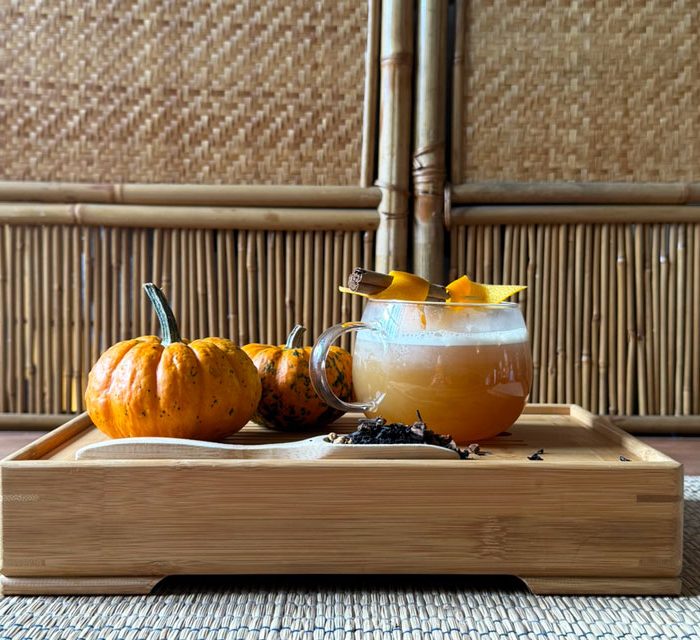
WeeBox Pumpkin Chai!
Hello WeeBox Clan! Och aye, autumn is here! The leaves are turning, the nights are drawing in and there’s a wee chill in the air. Which can only mean one thing: it’s time to get…

How Tea Became the Drink of Choice for the Sober Curious
How Tea Became the Drink of Choice for the Sober Curious: There’s a new way to drink, and it’s all about balance. Even across age-groups, more people are choosing to rethink their relationship with alcohol….
Summer Solstice : A Seasonal Reset for Energy, Focus and Balance
Summer Solstice 2026: A Seasonal Reset for Energy, Focus and Balance The Summer Solstice marks the longest day of the year and a natural peak of light, activity and sensory stimulation. While this moment in…
