


Have you ever stopped to wonder why you’re adding milk to your tea? If you’re in the UK, chances are you added some milk to your black tea today! Discover the surprising science behind adding milk to your tea.
In my opinion, we’ve been programmed to add milk over the years because historically much of the tea we’ve been consuming has been so substandard that we’ve had to mask the bitterness with a splash of milk…. Or in my Mum’s case a splash of tea.
Now that’s all well and good… to a point.
But…
What happens when you add milk to your tea?
Adding milk to your tea doesn’t just alter the taste … when milk meets tea, the fat in the milk interacts with catechins —particularly EGCG (epigallocatechin gallate), a potent antioxidant found in tea and actually trap those health promoting chemicals making it harder for the body to absorb.
In a 2007 study (reported in the European Heart Journal) looking at the vascular effects of tea, they found that adding milk counteracts the favourable health effects of tea on vascular function.

Dr William Li
Dr. William Li, a renowned medical researcher and author, often discusses the health benefits of foods and their components, including tea and catechins. In his work, particularly in his book “Eat to Beat Disease,” Dr. Li explores how certain foods can influence health and disease prevention through their bioactive compounds.
Dr. Li specifically addresses the benefits of catechins found in tea and highlights their roles in anti-angiogenesis, which is the process of preventing the growth of blood vessels that feed tumors, thus potentially playing a role in cancer prevention. He also discusses their antioxidant properties, which are apparently beneficial for cardiovascular health and general wellness.
Regarding adding milk to your tea and its impact on catechins, Dr. Li aligns with the research suggesting that the proteins in milk can bind with catechins, potentially reducing their bioavailability and antioxidant capacity. This interaction could diminish some of the health benefits associated with drinking tea, particularly green tea, which is rich in catechins.

Try a nut milk instead
Dr. Li’s recommendations often include consuming tea (particularly green tea) without milk to maximise the intake and effectiveness of its health-promoting compounds, especially EGCG, the most active and abundant catechin in tea. By avoiding milk in tea, we can ensure that the full spectrum of catechins remains bioavailable, enhancing their potential health benefits.
Like everything in life, it’s all about balance. I think we’d be kidding ourselves if we thought we could get the average British tea drinker to start drinking their tea black. However, it’s useful to be aware of the research. I loved hearing Dr Li on Dr Rangan Chatterjee’s podcast “Feel Better Live More” (8 May 2024) where he extols the virtues of tea and suggested swapping cow’s milk for an alternative milk like Almond, Soya or Cashew as they don’t contain any fat (or at least much less) therefore the polyphenols won’t be trapped and you should be able to absorb the full range of health benefits.

Experiment with Milky Oolongs
Another excellent suggestion from Dr Li is to try Milk Oolongs to get your milky tea fix.
Do you always add milk to your tea? Could you try it with an alternative milk and see if you notice a difference? Perhaps you could try an alternative to breakfast tea, like a Darjeeling or an Oolong tea. Heck, get stuck right into a Milky Oolong. It’s hard to go back once your eyes are opened to the giddy heights of spectacular tea. And of course, you can reinfuse the leaves multiple times giving you plenty of moments to pause, rebalance and thrive. Let me know what you think and if you’d like to discover more about tea and how to develop your Tea Mind, join me in my Facebook group…
Resources:
- Dr William Li Eat to Beat Disease: https://drwilliamli.com/book-li/
- https://drwilliamli.com/why-you-should-be-drinking-green-tea/
- Dr Chatterjee Feel Better Live More Podcast #450: https://drchatterjee.com/how-to-eat-to-boost-your-bodys-natural-defences-avoid-the-foods-that-weaken-them-with-dr-william-li/
- Green tea catechin, epigallocatechin-3-gallate (EGCG): mechanisms, perspectives and clinical applications: Biochem Pharmacol. 2011 Dec 15; 82(12): 1807–1821. https://www.ncbi.nlm.nih.gov/pmc/articles/PMC4082721/
- Thrive in 3 Facebook Group https://www.facebook.com/groups/thrivein3


Read More
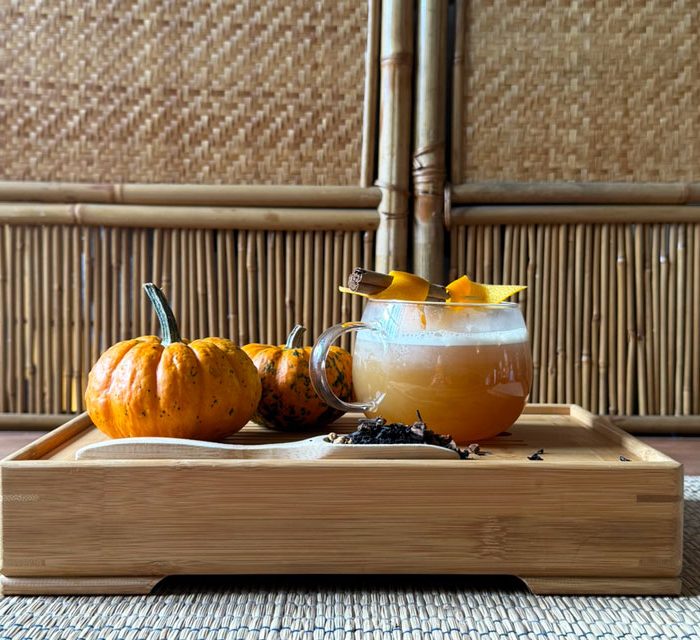
WeeBox Pumpkin Chai!
Hello WeeBox Clan! Och aye, autumn is here! The leaves are turning, the nights are drawing in and there’s a wee chill in the air. Which can only mean one thing: it’s time to get…

How Tea Became the Drink of Choice for the Sober Curious
How Tea Became the Drink of Choice for the Sober Curious: There’s a new way to drink, and it’s all about balance. Even across age-groups, more people are choosing to rethink their relationship with alcohol….

Summer Solstice : A Seasonal Reset for Energy, Focus and Balance
Summer Solstice 2026: A Seasonal Reset for Energy, Focus and Balance The Summer Solstice marks the longest day of the year and a natural peak of light, activity and sensory stimulation. While this moment in…
