


A Deep Dive into Darjeeling: The Champagne of Teas…
Nestled in the foothills of the Himalayas, Darjeeling is a small town in West Bengal, India, renowned globally for its high quality tea. Often referred to as the “Champagne of Teas,” Darjeeling teas are cherished for their unique flavour, vibrant aroma, and distinctive quality. Lets take a look into the history of the Darjeeling tea-growing industry, explores the various types of teas produced, and highlights the differences between first and second flush Darjeeling teas.
The Darjeeling Tea Growing Industry: A Rich History
The story of Darjeeling tea begins in the early 19th century when the British East India Company was searching for suitable tea-growing regions to compete with Chinese tea. Dr Archibald Campbell, a civil surgeon, and botanist, was appointed as the Superintendent of Darjeeling in 1839. Recognising the region’s potential, he planted the first tea seeds in his garden in 1841.
The experiment was a success, and by the 1850s, the British had established several tea gardens in Darjeeling. The region’s unique combination of high altitude, rich soil, and cool, misty climate created the perfect conditions for growing tea. Over time, Darjeeling tea gained a reputation for its exceptional quality and distinctive flavour profile, which could not be replicated anywhere else in the world.
Today, Darjeeling boasts around 87 tea estates, covering approximately 19,000 hectares. The tea industry is a vital part of the local economy, providing employment to thousands of people and contributing significantly to the region’s cultural heritage.
Types of Teas Produced in Darjeeling
Darjeeling produces a variety of teas, each with its own unique characteristics. The main types of Darjeeling teas are:
- Black Tea: The most famous and widely produced type, known for its muscatel flavour, briskness, and bright colour.
- Green Tea: Less oxidised than black tea, it retains more of the natural leaf colour and has a lighter, more vegetal flavour.
- White Tea: The least processed of all, made from young leaves and buds, offering a delicate flavour and a light, airy texture.
- Oolong Tea: Partially oxidised, it strikes a balance between black and green tea, with a smooth, rich flavour and a fragrant aroma.
Each of these teas is further categorised based on the time of harvest, leading to the distinct “flushes” that Darjeeling tea is known for….

First Flush vs. Second Flush Darjeeling Tea
The term “flush” refers to the harvesting period of the tea leaves. Darjeeling tea is primarily harvested in three flushes: first flush, second flush, and autumnal flush. The first and second flushes are particularly prized for their unique qualities.
First Flush Darjeeling Tea
The first flush is harvested in early spring, from late February to mid-April. These teas are often called the “Spring Flush.” The tea leaves are tender and young, yielding a light, delicate liquor with a floral aroma and a bright, lively flavour. The first flush teas are characterised by their astringency and a light golden colour. Tea lovers often appreciate the first flush for its fresh, brisk taste and its nuanced, complex flavour profile.

2024 Snow View harvested March 7th – 11th. – cultivated in the historic Snow View Tea Garden, nestled between the Bhutan mountains and the Himalayan plains. Established in 1870, this garden boasts breath-taking views of the snow-capped Himalayas and is surrounded by the Gorumara, Jaldakah, and Chapramari forest reserves, with the Moortee River enhancing its natural beauty.
Second Flush Darjeeling Tea
The second flush is harvested in late spring to early summer, from May to June. Known as the “Summer Flush,” these teas develop a more robust and mature flavour compared to the first flush. The tea leaves undergo a longer oxidation process, resulting in a richer, amber-coloured liquor with a full-bodied taste. The second flush is renowned for its “muscatel” flavour, a unique characteristic reminiscent of muscat grapes, which is highly sought after by tea enthusiasts worldwide.

Second Flush Darjeeling created with exceptional teas from Teesta Valley And Gielle Tea gardens, our core range Darjeeling is categorised as SFTGFOP1 which means Special Finest Tippy Golden Flowery Orange Pekoe on the tea grading scale – A truly exceptional tea.
Autumnal Flush Darjeeling Tea
The autumnal flush is harvested in the autumn months, typically from October to November. These teas are known as the “Autumn Flush.” The tea leaves during this period are more mature and the resulting tea has a distinctive, well-rounded flavour with a hint of spice. The liquor is darker, often a deep amber or copper colour, and the aroma is less floral but richer, often with woody or earthy undertones. Autumnal flush teas are valued for their smooth, mellow taste and their ability to develop deeper flavours as they age.
Key Differences in First & Second Flush

- Flavour: First flush teas are lighter, more astringent, and floral, while second flush teas are richer, fuller, and have a distinctive muscatel note.
- Colour: First flush teas produce a pale golden liquor, whereas second flush teas have a deeper amber hue.
- Aroma: First flush teas have a fresh, floral fragrance, while second flush teas offer a more intense, fruity aroma.
Darjeeling tea, with its rich history and unparalleled quality, continues to enchant tea lovers around the globe. The distinct types of teas produced, from black to white to oolong, each offer a unique taste experience. The subtle differences between the first and second flushes highlight the complexity and depth that make Darjeeling tea truly special. Whether you are a seasoned tea connoisseur or a curious newcomer, exploring the world of Darjeeling tea is a journey worth taking.


Read More
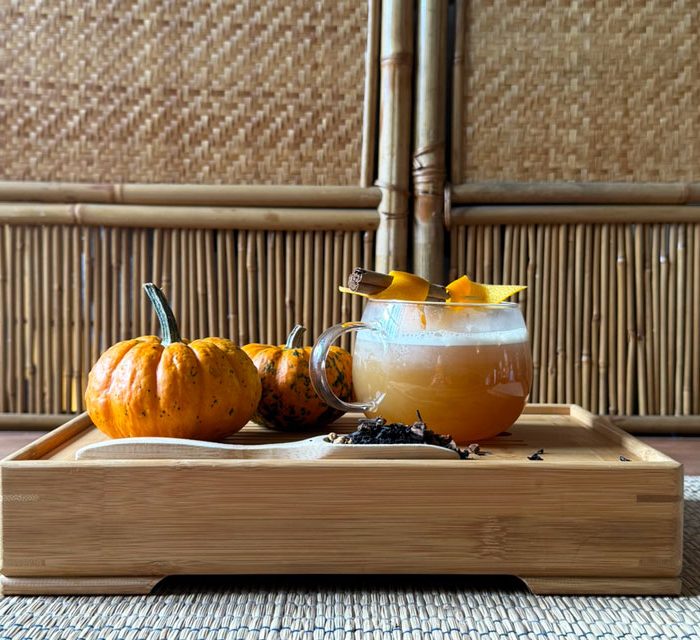
WeeBox Pumpkin Chai!
Hello WeeBox Clan! Och aye, autumn is here! The leaves are turning, the nights are drawing in and there’s a wee chill in the air. Which can only mean one thing: it’s time to get…

How Tea Became the Drink of Choice for the Sober Curious
How Tea Became the Drink of Choice for the Sober Curious: There’s a new way to drink, and it’s all about balance. Even across age-groups, more people are choosing to rethink their relationship with alcohol….

Summer Solstice : A Seasonal Reset for Energy, Focus and Balance
Summer Solstice 2026: A Seasonal Reset for Energy, Focus and Balance The Summer Solstice marks the longest day of the year and a natural peak of light, activity and sensory stimulation. While this moment in…
